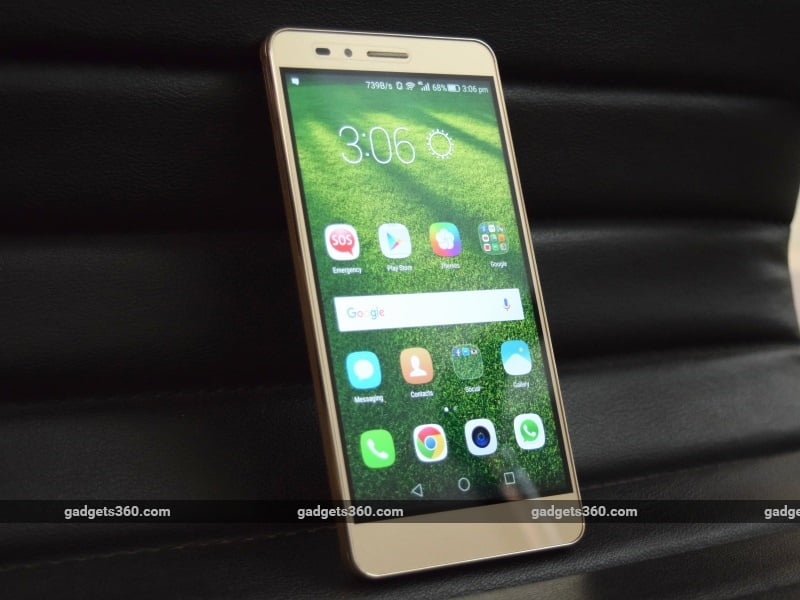

A smartphone runs an advanced operating system that supports mobile and web applications and is generally far more capable than only making and receiving calls. Today, there are two dominating operating systems: iOS for the iPhone and Android for phones from Google, Samsung, and others.
The operating systems are capable of multitasking and running software as powerful as desktop systems can run. In point of fact, artificial intelligence integration is just one example of a smartphone operating system that is significantly superior to that of a desktop computer. What Really Changes When You Switch Phones: iPhone vs. Android Apps

Applications on smartphones are generally as robust as those on desktop computers and, in some cases, superior to those on desktop computers. You can easily find software to edit movies, create music, and even translate signs from one language to another in real time, in addition to all the fundamentals (email, messaging, word processing). Explore the app store on your smartphone if this is your first time using one. There are plenty of really cool apps to discover.
Internet Connection You can frequently find your fastest internet connection in the palm of your hand thanks to improved infrastructure and advanced antennas. Any smartphone must now be capable of streaming 4K movies. Messaging
Smartphones can handle SMS without any issue, but thanks to their ability to run more advanced software, nearly any form of messaging and communication is possible. Take into consideration the numerous social media platforms, as well as Apple’s iMessage and FaceTime services. Hardware of the Future Not only do today’s smartphones have advanced screens with enough brightness to be seen in any sunny condition, but they also come with cameras that rival almost any camera you’ve ever owned and they most certainly have a better video camera than you’ve ever owned. Thanks to advanced microprocessors and better battery chemistry, these little computers last all day on just one cha