

Introduction
For years, people have joked that a pint of Guinness or a piece of dark chocolate is “good for you.” While these claims often sound too good to be true, there is some science behind them—especially when it comes to dark chocolate and certain compounds found in stout beers like Guinness. However, it’s important to understand that any potential health benefits depend on moderation, overall diet, and lifestyle. Neither chocolate nor alcohol should be viewed as a substitute for healthy habits or medical advice.
In this article, we’ll explore what research says about Guinness and chocolate, their possible health benefits, and why moderation is the key to enjoying them responsibly.
Why Do People Say Guinness Is Good for You?
Guinness is one of the world’s most famous Irish stouts, known for its rich flavor and creamy texture. Over the years, it has earned a reputation for being a “healthier” beer than many others.
This belief comes from the fact that Guinness contains certain nutrients and plant-based compounds naturally present in barley and hops. While these compounds may have some beneficial properties, the drink also contains alcohol, which carries health risks when consumed in excess.
Potential Benefits of Guinness
1. Contains Antioxidants
Guinness contains antioxidants called polyphenols, which come from the barley and hops used during brewing. Antioxidants help protect cells from damage caused by unstable molecules known as free radicals.
Although these compounds are beneficial in many foods, the amount found in beer should not be considered a primary source of antioxidants.
2. Source of Certain Nutrients
A serving of Guinness provides small amounts of nutrients such as:
- Folate
- Potassium
- Magnesium
- Some B vitamins
These nutrients contribute to normal body functions, but they are available in much larger quantities through fruits, vegetables, whole grains, and legumes.
3. Lower Alcohol Than Some Strong Beers
Compared with some craft beers or high-alcohol beverages, Guinness generally has a moderate alcohol content. This may help people who choose to drink consume less alcohol than they would with stronger drinks, though portion size still matters.
The Health Benefits of Dark Chocolate
Unlike alcohol, dark chocolate has been studied extensively for its potential health benefits.
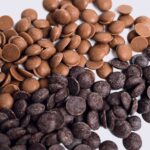
Dark chocolate made with a high cocoa content contains flavonoids—natural plant compounds linked to several positive health effects.
1. Rich in Antioxidants
Dark chocolate is one of the richest dietary sources of flavonoids, which may help reduce oxidative stress in the body.
2. May Support Heart Health
Some research suggests that moderate consumption of dark chocolate may help:
- Improve blood vessel function
- Support healthy circulation
- Maintain normal blood pressure as part of a balanced diet
- Reduce inflammation
These benefits are primarily associated with chocolate containing 70% or more cocoa.
3. May Improve Mood
Chocolate stimulates the release of several compounds involved in mood regulation, including serotonin and endorphins.
Many people report feeling happier after eating a small amount of dark chocolate, although the psychological enjoyment of eating a favorite treat likely contributes as well.
4. Provides Important Minerals
Dark chocolate contains several essential minerals, including:
- Iron
- Magnesium
- Copper
- Manganese
- Zinc
These nutrients support many normal bodily functions when consumed as part of a healthy diet.
What About Combining Guinness and Chocolate?
Guinness and dark chocolate are often paired together in desserts, cakes, and tasting menus because their rich, roasted flavors complement each other.
From a nutritional perspective, however, combining them does not create additional health benefits. While dark chocolate contributes beneficial plant compounds, the alcohol in Guinness still needs to be consumed responsibly.
The pairing is best appreciated for its flavor rather than any expectation of enhanced health effects.
Moderation Is Essential
Both Guinness and chocolate can fit into a balanced lifestyle when enjoyed in moderation.
For chocolate:
- Choose dark chocolate with a high cocoa percentage.
- Watch portion sizes, as chocolate can be high in calories and sugar.
- Read labels to avoid products with excessive added sugars or unhealthy fats.
For Guinness or any alcoholic beverage:
- Drink responsibly and within recommended guidelines.
- Avoid binge drinking.
- Never use alcohol as a health supplement or stress-management tool.
- Individuals who are pregnant, under the legal drinking age, taking certain medications, or advised by a healthcare professional to avoid alcohol should not drink it.
Common Myths
Myth: Guinness Is a Health Drink
While Guinness contains some antioxidants and nutrients, it is still an alcoholic beverage. Its potential benefits do not outweigh the health risks associated with excessive alcohol consumption.
Myth: More Chocolate Means Better Health
Dark chocolate contains beneficial compounds, but eating large amounts also increases your intake of calories and, depending on the product, sugar and saturated fat. Small portions are generally the better choice.
Myth: Chocolate and Beer Can Replace Healthy Foods
Neither should replace nutrient-rich foods such as vegetables, fruits, whole grains, lean proteins, and healthy fats, which provide a much broader range of essential nutrients.
Tips for Enjoying Them Responsibly
If you enjoy Guinness and dark chocolate, consider these simple tips:
- Choose dark chocolate with at least 70% cocoa.
- Enjoy small portions instead of large servings.
- Pair chocolate with fruit or nuts for added nutrition.
- If you drink alcohol, do so responsibly and stay hydrated.
- Focus on an overall healthy eating pattern rather than individual “superfoods.”
Conclusion
The idea that “Guinness (and chocolate) is good for you” contains a grain of truth, but it should be understood in context. Dark chocolate, especially varieties with a high cocoa content, offers antioxidants and minerals that may support heart health and overall well-being when eaten in moderation. Guinness also contains some naturally occurring antioxidants and nutrients, but it remains an alcoholic beverage, and any potential benefits must be weighed against the known risks of alcohol consumption. Rather than viewing either as a health food, it’s best to enjoy them occasionally as part of a balanced lifestyle that includes nutritious foods, regular physical activity, adequate sleep, and routine healthcare.