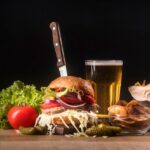


When you are creating your menu, keep in mind that pairing a particular dish with the right beverage will make a good first impression on new diners and encourage returning customers to keep coming back for more. You could sort of think of this as one of your restaurant’s main sources of revenue. There’s no need to spend a lot of money on marketing campaigns. To easily curate your menu, all you need is the right interactive restaurant menu software. Why is it important to pair food and drink? While it’s true that food and beverage pairing adds sophistication to your menu, it’s also important to note that this is a menu engineering strategy to promote your offerings and boost your profit.
Food and drink pairing ideas
Two sets of food and drink pairings
In addition, it is one of the best ways to enhance and complement your dishes’ flavors and textures, creating an unforgettable dining experience. And once they get a positive experience, chances are they’ll most likely come back for more. Now this secures repeat business and a potential regular customer.
You can also use food pairing ideas as a marketing opportunity for your fine dining restaurant.
By highlighting your expertise in creating harmonious flavor profiles, you attract food enthusiasts and connoisseurs who appreciate the artistry behind your menu.
How do you pair food and beverages?
Wine selection White wine and salmon dish on table
1. Complementary flavors
When pairing complementary elements, you must strike a balance between two opposing aspects. Your goal here is to create well-matched flavors that will enhance your customers’ dining experience.
Here are examples of the best drink and food combos:
A sweet, fruity, and citrusy cocktail is the best option for dishes that are both spicy and sweet. This is due to the fact that the citrus and sugar reduce the mouthburn and provide a more energizing flavor. Salty and tangy dishes, on the other hand, go well with full-bodied or full-flavored drinks like Pinot Noir, soda fruit drinks, or beer. These drinks will cut through the saltiness offered by the food and balance out the flavor with a swig or a sip.
A rich, creamy dish for World Pasta Day will need a beverage that cleanses the palate and perfectly matches the rich texture. A dry white, a gimlet, or a light lager ought to be among your choices. 2. Contrasting textures
Talking about contrasting textures means exploring a delightful interplay between the mouthfeel of food and drink.
Your customers’ palates will be slightly excited when you use textures, usually resulting in a dynamic and memorable combination. How to become an expert in this art: Think of dishes with a satisfying crunch—perhaps battered and fried items like tempura vegetables, crispy chicken, or a perfectly baked pie crust. The crispy texture can complement a creamy beer, velvety Chardonnay, or a cocktail with a creamy base.
Pairing a silky-smooth soup with a crunchy crouton or a tender steak with a crispy onion garnish creates a good kind of sensation in each mouthful. To play with the contrast of textures, offer oaky and creamy Chardonnay along with the creamy soup, and deep-flavored drinks like classic red, whisky, martini, or a club soda should be suggested for the steak.
3. Consider the weight
In food and drink pairing, “weight” refers to the overall intensity and richness of the dish and the beverage.
You should suggest a light drink to go with a light dish that your customer orders. Heavy meals or dishes should be paired with heavy beverages, too.
If your drinks and food don’t match, you might have a bad dining experience. Either the beverage will overpower the food or the food will overpower the beverage. Best food and drink combos
Mastering food and drink pairings can significantly elevate the dining experience. Understanding the best types of pairings allows you to create food and beverage menu combinations that enhance the flavors of both.