

Chocolate is one of the world’s most popular treats, enjoyed in everything from creamy milk chocolate bars to rich dark chocolate desserts. But have you ever wondered where chocolate begins its journey? Before cocoa beans are transformed into the chocolate we love, they grow inside colorful pods on tropical trees. Understanding where cocoa beans grow helps us appreciate the journey from the farm to our favorite chocolate products.
Cocoa production is closely connected to tropical climates, local farming communities, and the natural environment. In this article, we will explore where cocoa beans grow, the conditions cocoa trees need, the major cocoa-producing countries, and how these beans eventually become chocolate.
What Are Cocoa Beans?
Cocoa beans are the seeds of the cacao tree, scientifically known as Theobroma cacao. The name is often translated as “food of the gods,” reflecting the historical importance of cacao in Central and South American cultures.
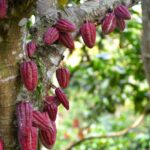
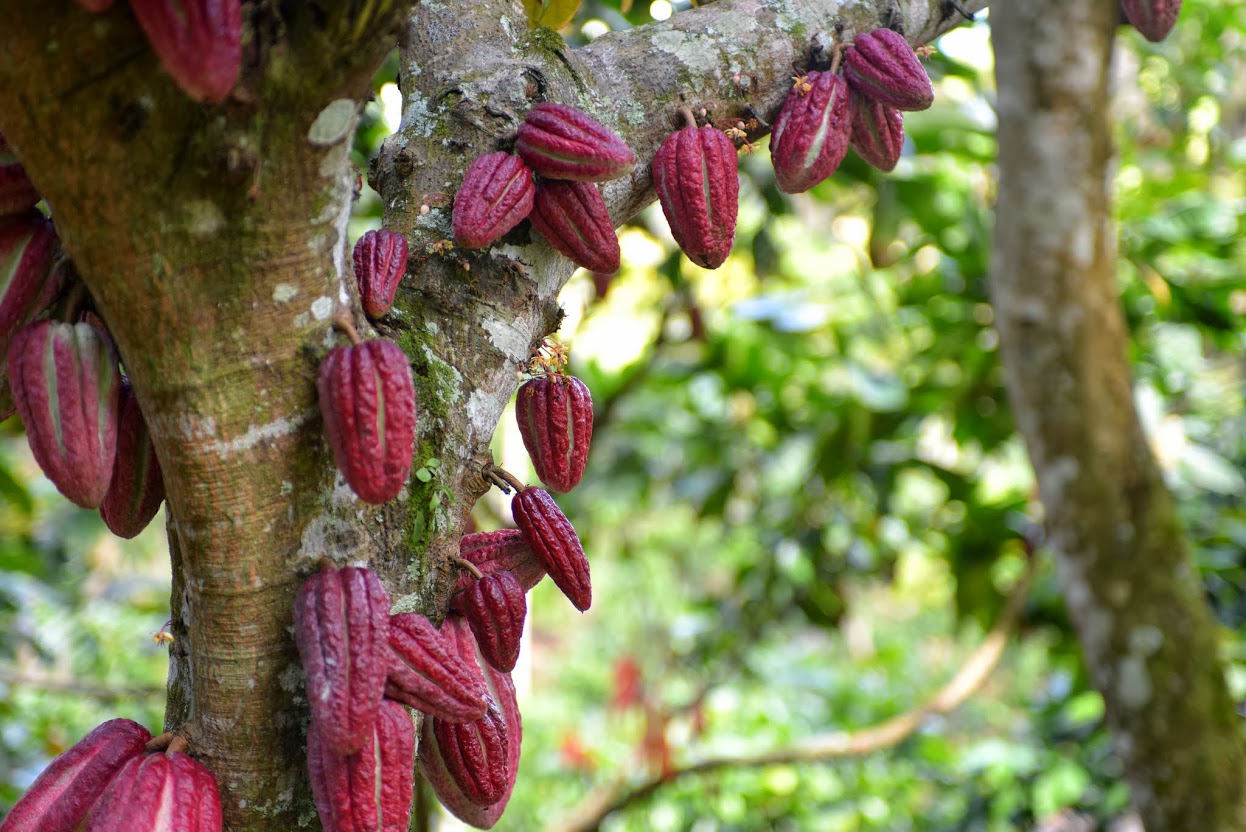
Cacao trees produce large, oval-shaped pods that grow directly from their trunks and branches. These pods come in different colors, including green, yellow, orange, red, and purple, depending on the variety and stage of maturity.
Inside each pod, there are typically around 20 to 50 seeds surrounded by a sweet, white, pulpy substance. These seeds are commonly called cocoa beans.
Fresh cocoa beans do not taste like the chocolate we eat. They are harvested, fermented, dried, roasted, and processed before becoming the ingredients used to make chocolate.
Where Do Cocoa Beans Grow?
Cocoa beans grow primarily in tropical regions close to the equator, generally within approximately 20 degrees north and south of it. These areas provide the warm temperatures, humidity, rainfall, and shade that cacao trees need to thrive.
Cacao trees are native to the tropical Americas, but commercial cultivation has expanded significantly across Africa and Asia.
Today, West Africa is the world’s most important cocoa-producing region. Countries such as Côte d’Ivoire and Ghana supply a substantial share of the global cocoa market.
Other major growing regions include Central and South America, as well as parts of Southeast Asia.
The equatorial location matters because cacao trees are sensitive to extreme temperatures, prolonged drought, and unsuitable growing conditions. Tropical environments offer the relatively stable climate necessary for healthy tree growth and regular pod production.
What Conditions Do Cocoa Trees Need?
Cacao trees require specific environmental conditions to produce healthy pods and quality beans.
1. Warm Temperatures
Cacao trees grow best in consistently warm conditions. Temperatures around 21°C to 32°C are generally suitable, although the ideal range varies with local conditions and the particular variety.
Cold temperatures can slow growth and damage the trees. Frost is particularly harmful, which is one reason commercial cocoa cultivation is concentrated in tropical climates.
2. High Humidity and Regular Rainfall
Cacao trees need a moist environment with adequate rainfall throughout the year. Many growing areas receive approximately 1,500 to 2,000 millimeters of annual rainfall, although successful cultivation depends on its seasonal distribution and soil conditions.
Long dry periods can stress trees, reduce flowering, and affect pod development. Farmers may use irrigation in suitable locations when rainfall is insufficient.
3. Shade and Protection
Young cacao trees naturally benefit from shade. In traditional farming systems, they are often grown beneath taller trees that protect them from intense sunlight and help maintain moisture.
Shade trees can also support biodiversity and improve the farm environment when managed appropriately.
However, cacao trees still require sufficient light for healthy growth. Farmers therefore balance shade, sunlight, and tree spacing according to local conditions.
4. Suitable Soil
Cacao trees generally prefer deep, fertile, well-drained soils rich in organic matter. Their roots need access to moisture and nutrients, but waterlogged soil can damage the root system.
Good soil management, mulching, and responsible fertilization help maintain tree health and support long-term productivity.
Major Cocoa-Producing Countries
Several countries play important roles in supplying the world’s cocoa beans. Their climates, farming traditions, and production systems contribute to the diversity of cocoa available to chocolate manufacturers.
1. Côte d’Ivoire
Côte d’Ivoire, also known as Ivory Coast, is the world’s leading cocoa-producing country. Cocoa is a major agricultural commodity there, supporting millions of people through farming and related activities.
Much of its production comes from smallholder farms. The country’s cocoa sector is essential to the international chocolate supply chain.
2. Ghana
Ghana is another major cocoa producer, widely recognized for its long history of cocoa cultivation. Cocoa farming supports rural livelihoods and contributes significantly to agricultural exports.
Ghanaian cocoa is frequently used in chocolate production, although flavor and quality depend on bean variety, farming practices, fermentation, and processing.
3. Ecuador
Ecuador is an important cocoa-producing country in South America. It is particularly known for fine-flavor cacao, including the Nacional variety and related cacao types associated with distinctive aromatic characteristics.
Ecuadorian cocoa is used in premium chocolate products and specialty chocolate manufacturing.
4. Brazil
Brazil has a long history of cacao cultivation, especially in the northern Amazon region and the state of Bahia. Its varied growing environments support different cacao production systems.
Brazilian cocoa contributes to both domestic chocolate manufacturing and international markets.
5. Indonesia
Indonesia is one of Asia’s major cocoa-producing countries. Cacao is cultivated across several islands, including Sulawesi.
The country’s tropical climate supports cocoa production, while farming systems and processing methods influence the characteristics of the beans.
Other cocoa-producing countries include Nigeria, Cameroon, Peru, the Dominican Republic, and Papua New Guinea.
How Are Cocoa Beans Harvested?
Cocoa harvesting is a careful process because the pods do not all ripen at the same time.
Farmers inspect the trees and harvest mature pods using appropriate cutting tools. The pods are opened to remove the beans and surrounding pulp.
The beans are then fermented for several days. Fermentation is essential because it develops the flavor precursors that later produce chocolate’s characteristic aroma and taste.
After fermentation, the beans are dried to reduce moisture and improve storage stability. They are sorted and transported to processing facilities, where they are cleaned, roasted, cracked, and separated from their shells.
The resulting cocoa nibs can be ground into cocoa mass, which is used to manufacture chocolate and other cocoa products.
Does the Growing Region Affect Chocolate Flavor?
Yes. The region where cacao grows can influence the flavor of the resulting chocolate, although geography is only one part of the process.
Factors such as cacao genetics, soil, rainfall, farm management, fermentation, drying, roasting, and chocolate-making techniques all contribute to the final flavor.
Some cocoa beans develop fruity or floral notes, while others may produce nutty, earthy, woody, or spicy characteristics.
For example, certain fine-flavor cacao varieties from Ecuador are valued for their distinctive aromas. However, it would be inaccurate to assume that every bean from a particular country has the same flavor.
Chocolate makers often combine beans from different regions to create a consistent taste or use single-origin beans to highlight particular characteristics.
Challenges Facing Cocoa Farmers
Cocoa farming faces several environmental and economic challenges. Climate change can alter rainfall patterns, increase heat stress, and affect the areas suitable for cacao cultivation.
Pests and diseases can damage trees and reduce harvests. Cocoa farmers may also face fluctuating market prices, limited access to agricultural resources, and difficulties maintaining stable incomes.
Sustainable farming practices can help address some of these challenges. Agroforestry, improved soil management, responsible pest control, and the use of suitable planting material can support healthier farms.
Consumers and chocolate manufacturers can also pay attention to supply-chain transparency and responsible sourcing initiatives that aim to improve farmer livelihoods and reduce environmental harm.
Conclusion
Cocoa beans grow mainly in tropical regions near the equator, where warm temperatures, regular rainfall, humidity, and suitable soil create favorable conditions for cacao trees. West Africa leads global production, with Côte d’Ivoire and Ghana playing especially important roles. Countries in South America and Asia also contribute significantly to the cocoa supply.
From the colorful pods growing on cacao trees to the fermentation and processing stages that develop chocolate flavor, cocoa production involves nature, farming expertise, and careful preparation.
The next time you enjoy a piece of chocolate, remember that its journey begins on a tropical farm, where cocoa farmers cultivate the beans that make this beloved treat possible.