

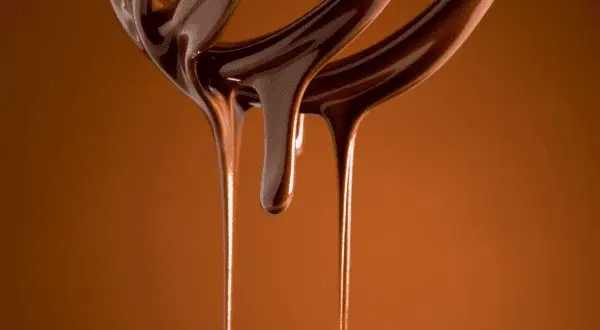
There’s a special kind of joy in watching chocolate change. One moment it’s a firm bar—dark, milk, or white—and the next, with a touch of gentle heat, it softens into a smooth, glossy pool. It feels a bit like kitchen magic.
But melting chocolate is only half the story. What happens after that silky transformation is just as important. Mastering the shift from liquid back to solid is what separates messy results from flawless treats—and opens the door to everything from elegant molded chocolates to perfectly flowing fountains.
Shaping chocolate after it melts
Once chocolate is fully melted, the next move is usually to give it shape. This often means pouring it into molds—think delicate bonbons, festive figures, or classic chocolate bars. The liquid chocolate settles into every curve and corner, ready for its final transformation.
At this stage, patience matters. Chocolate doesn’t just “cool down”; it sets through a controlled process. Temperature, composition, and handling all play a role in how smooth, shiny, and stable the finished chocolate will be.
Why all chocolate doesn’t behave the same
This becomes especially clear with chocolate fountains. The goal there isn’t hardening at all, but maintaining a steady, fluid flow. Regular baking chocolate can be unpredictable in this setting—it may thicken too quickly or clog the mechanism.
That’s why fountain chocolates exist. These blends are designed with carefully balanced amounts of cocoa butter, sugar, and emulsifiers so they stay smooth at warmer temperatures. Dark chocolate often works especially well because its higher cocoa butter content and melting point help it flow consistently without setting too fast. Some milk and white chocolates can also perform beautifully, provided they’re high in cocoa butter.
Temperature: the quiet hero
Even with the right chocolate, temperature control is everything. Too much heat can scorch chocolate and ruin its flavor; too little, and it thickens or sets prematurely. If melted chocolate starts acting stubborn—looking dull or overly thick—a small amount of food-grade cocoa butter can bring it back to that silky, pourable texture.
One rule is absolute: keep water far away. Even a few drops can cause chocolate to seize, turning it from smooth and glossy into a grainy, unusable mass.
Letting the magic set
Whether you’re pouring melted chocolate into molds or keeping it flowing for a celebration, the final step is guiding that transformation to completion. Cooling and setting are where chocolate truly becomes itself again—solid, glossy, and satisfying.
From the first melt to the final set, understanding this journey helps turn simple chocolate into something special. That’s where the real magic doesn’t just melt—it solidifies.