


Struggling to temper chocolate properly? You’re not alone. Chocolate is famously “temperamental”—even small changes in temperature, moisture, or handling can throw everything off. One minute it looks perfect, the next it’s dull, streaky, or too thick to work with.
The good news? Once you understand the science behind tempering, fixing common problems becomes much easier.
Why Tempering Matters
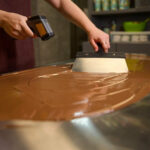
Tempering is a crucial skill for anyone working with chocolate. It ensures a glossy finish, firm snap, and smooth texture. While machines can help later on, learning the process manually gives you a deeper understanding of how chocolate behaves—and how to fix it when things go wrong.
Common Tempering Problems (And How to Fix Them)
1. Control Your Environment
Temperature and humidity play a huge role. Ideally, work in a space around 18–21°C (64–70°F) with moderate humidity. If your room is too warm, cool your methods slightly. If it’s too humid or too dry, expect changes in how chocolate sets.
2. Use an Accurate Thermometer
Tempering depends on very small temperature differences. Always stir your chocolate before measuring to avoid hot or cold spots that can give inaccurate readings.
3. Keep the Chocolate Moving
Continuous stirring is essential. If chocolate sits still, parts of it can overheat or cool too quickly, leading to uneven tempering. Gentle, consistent movement keeps the temperature stable.
4. Avoid Air Bubbles
Stir carefully—don’t whip. Introducing air can create bubbles, especially when molding. This is even more common with thicker, high-viscosity chocolates.
5. Don’t Over-Temper
Over time, too many stable crystals can form, making the chocolate thick and hard to use. To fix this:
- Add a small amount of warm melted chocolate
- Or gently heat the edges and mix thoroughly
Be careful not to overheat, or you’ll lose the temper entirely.
6. Prevent “Shocking” the Chocolate
Sudden temperature changes can cause fat bloom (white streaks or spots). This often happens if:
- The filling is too cold
- Moisture is present
- Chocolate is refrigerated for too long
Keep conditions stable to avoid this issue.
7. Always Do a Temper Test
Before using your chocolate, test it. Spread a small amount on parchment or a utensil—it should set quickly with a smooth, shiny finish. Repeat this test during longer sessions.
What If Tempering Fails?
Don’t worry—chocolate can be re-tempered multiple times, as long as it hasn’t been burned or contaminated with water or other ingredients.
If it’s compromised, don’t throw it away. Use it for ganache, truffles, or baking instead.
For storage, pour leftover chocolate onto parchment or flatten it in a sealed bag. Once hardened, it’s easy to break and reuse later.
Why Does Chocolate Sometimes Bloom After Tempering?
Even properly tempered chocolate can develop bloom if it cools too slowly. This happens because of latent heat released during crystallization, which can disrupt the structure.
To avoid this:
- Cool molded or dipped chocolate quickly
- Use a well-ventilated fridge for short periods
- Ensure heat escapes evenly from the center
Re-Melting Tips
When reusing chocolate, make sure to fully melt all unstable crystals:
- Dark chocolate: at least 46–47°C (115°F)
- Milk/white chocolate: around 44°C (110°F)
This resets the structure so you can temper it again properly.
Final Tip
Always check the tempering guidelines provided by your chocolate manufacturer. Different chocolates behave differently, and following their specifications can save you a lot of trial and error.