

As the year commenced, individuals flocked to gyms and fitness centers with aspirations of enhancing their health, shedding pounds, and boosting their mental well-being, among other goals. Nevertheless, many find it challenging to adhere to their routines and ultimately abandon their efforts midway. This year, similar to previous ones, witnessed a plethora of New Year’s resolutions, yet only a select few were successfully maintained. Nonetheless, a significant transformation has occurred: fitness has increasingly become a focal point in discussions regarding overall health and wellness in India.
Individuals have started engaging in various physical activities. From hybrid fitness (a combination of strength and cardio) to functional training (utilizing tools like dumbbells and kettlebells), as well as mindfulness and recovery practices (such as yoga and stretching), numerous workout styles gained popularity among fitness aficionados this year. Additionally, there has been a surge in personalized and holistic wellness approaches, driven by advancements in AI and wearable technology. Continue reading to discover the leading fitness trends in India for 2025.
Emerging Fitness Trends in India for 2025
- Wearable Technology
Wearable devices such as smartwatches and fitness trackers continue to lead the evolving fitness landscape. These gadgets track vital metrics including heart rate, recovery, stress levels, sleep patterns, and VO2 max. Additionally, they provide real-time monitoring of fitness and training sessions, delivering essential data. This data-centric approach facilitates the creation of personalized and effective workout and recovery strategies, transcending the mere completion of daily step counts or basic physical activities.
- AI Personalization and Mobile Applications
The influence of artificial intelligence and mobile applications on fitness trends in India is significant. Customized fitness regimens featuring tailored workout plans, individualized diets aligned with personal objectives, and immediate feedback have gained prominence. This offers users the convenience and flexibility to engage in exercise at their discretion, thereby diminishing dependence on conventional fitness routines.
- Hybrid Fitness Models
The integration of both in-person and digital experiences has become standard for many individuals. In metropolitan regions, there is a preference for this adaptable approach, allowing participants to join physical group classes while simultaneously utilizing applications and virtual coaching for home workouts. Studies indicate that more than 40% of individuals choose flexible membership options, which enhances retention rates.
- Functional Fitness
Functional fitness workouts are designed to enhance strength for everyday activities such as lifting, twisting, and climbing. These workouts have surged in popularity and encompass exercises like kettlebell routines and bodyweight movements. They attract a diverse range of individuals, including older adults and office workers. There has been a notable increase in fitness centers that specialize in yoga, Pilates, HIIT, MMA, and other disciplines.
- Home Workouts
Home workouts have become the leading trend in fitness across India. Many Indians are choosing to engage in no-equipment workouts from the comfort of their homes. Additionally, short workouts featuring exercises such as squats, push-ups, planks, and jumping jacks can enhance metabolism and maintain consistency without the need for regular gym attendance. Low-impact cardio and high-intensity interval training (HIIT) have also gained popularity.
- Mindful Movement
There has been a noticeable shift in people’s approach towards fitness, with an emphasis on tuning into their bodies rather than exceeding their limits. Individuals are increasingly incorporating low-impact exercises like Pilates and restorative yoga, which contribute to a more sustainable and lifelong fitness journey.
- Focus on Mind-Body and Pilates
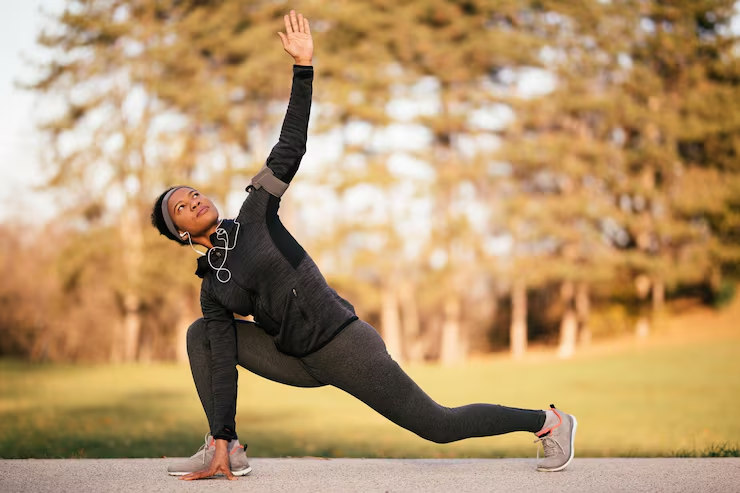
Pilates integrates core strength, flexibility, and mindfulness through exercises such as leg lifts, hollow holds, and controlled breathing. This workout method is favored by both celebrities and beginners alike. Conversely, practices like yoga, tai chi, and mindfulness workouts emphasize the connection between mind and body, aiding in stress reduction, enhancing joint health, and facilitating calorie burning.
- Holistic Health and Mental Well-being
There is a growing emphasis on comprehensive well-being, recognizing mental health as equally important as physical fitness. Individuals are increasingly prioritizing their mental well-being alongside their physical health. Activities such as yoga, meditation, and breathwork are becoming integral to fitness routines, as they assist in managing stress and anxiety. This marks a significant departure from traditional fitness regimens that focused solely on physical health.
- Recovery and Rest
Recovery has transitioned from being an afterthought to a fundamental component of fitness routines. Individuals are now favoring practices and routines designed for muscle repair, injury prevention, and the regulation of the nervous system.
In 2025, India’s fitness landscape emphasizes accessibility, the integration of technology, and a holistic approach to wellness. Reports indicate that the nation’s fitness market is expected to attain a value of Rs. 37,700 crore by 2030, propelled by an annual growth rate of 15%, which will see memberships increase from 12.3 million to 23.3 million. This growth is driven by urban professionals, residents of Tier 2 and Tier 3 cities, and a variety of demographic groups. Current fitness trends in India prioritize convenience, personalization, sustainability, and mental health, moving beyond a sole focus on physical improvements.