


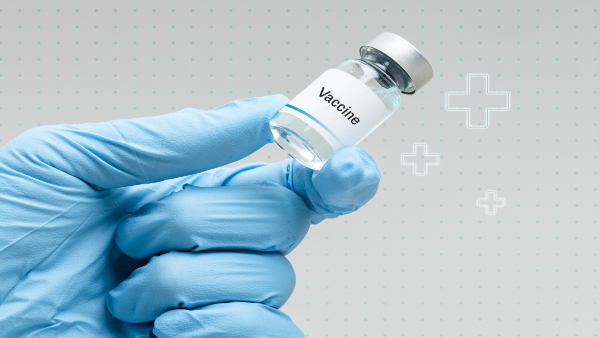
National Immunization Day, also known as National Vaccination Day, is observed every year on 16 March across India. The day highlights the importance of vaccines in protecting public health and recognizes the efforts of policymakers, healthcare professionals, and volunteers who contribute to large-scale vaccination programs.
The observance also aims to raise awareness about the role of immunization in preventing infectious diseases and improving community health across the country.
The Science Behind Immunization
Immunization works by triggering the body’s immune response. When a vaccine introduces a harmless form or component of a pathogen into the body, the immune system reacts by producing protective cells and antibodies. These defenses help the body recognize and fight the actual disease in the future.
Humans initially receive passive immunity from their mothers during pregnancy and through breast milk. However, this protection is temporary and fades over time. Long-term protection typically comes from active immunity, which develops when the immune system encounters a pathogen or receives a vaccine.
Before modern vaccines, attempts to create immunity sometimes caused serious risks. For example, early practices such as variolation, used in parts of Asia and the Ottoman Empire, involved exposing healthy people to material from smallpox sores. While it sometimes provided protection, it could also trigger outbreaks.
A safer solution was introduced in 1798 by Edward Jenner, who demonstrated that exposure to cowpox could protect people from smallpox. His work laid the foundation for modern vaccination and the development of many life-saving immunization programs.
The History of Immunization in India
India now operates one of the largest immunization programs in the world, reaching millions of people across urban areas, villages, and remote regions. Healthcare workers often travel through challenging terrains to ensure vaccines reach every child.
A key milestone occurred in 1995, when the first dose of oral polio vaccine was administered as part of the Pulse Polio Programme on 16 March. This campaign became a turning point in India’s fight against polio.
Years of nationwide vaccination efforts eventually led to a major achievement when the World Health Organization officially declared India polio-free on 27 March 2014.
Recent Vaccines Introduced in India
India continues to expand its immunization programs by introducing new vaccines to protect against various diseases.
COVID-19 Vaccines
During the pandemic, India developed and deployed vaccines such as:
-
Covaxin
-
Covishield
Together, these vaccines supported one of the largest vaccination drives in history, with over 170 crore doses administered nationwide.
Other Key Vaccines in India’s Immunization Programme
Inactivated Polio Vaccine (IPV)
Introduced as part of the Global Polio Eradication Initiative, IPV was launched in six states in November 2015 and expanded nationwide by April 2016.
Rotavirus Vaccine (RVV)
Launched in March 2016 in 11 states, this vaccine helps reduce deaths and illness caused by rotavirus diarrhoea, a major cause of childhood hospitalization. The program expanded across India by 2019–2020.
Measles-Rubella (MR) Vaccine
Introduced in 2017, this vaccine targeted approximately 41 crore children aged 9 months to 15 years, supporting efforts to eliminate measles and control rubella.
Pneumococcal Conjugate Vaccine (PCV)
First introduced in five states in May 2017, this vaccine protects infants from severe infections such as pneumococcal pneumonia, helping reduce child mortality.
Tetanus and Adult Diphtheria (Td) Vaccine
The Td vaccine replaced the earlier tetanus toxoid vaccine to strengthen immunity against diphtheria in older age groups. It is administered to adolescents aged 10 and 16 years and to pregnant women.
Why Vaccination Is Important
Vaccination is widely considered one of the most effective public health measures ever developed. Its benefits extend beyond individual protection and support the health of entire communities.
Prevents the Spread of Infectious Diseases
Vaccines help stop the transmission of contagious illnesses, protecting populations from widespread outbreaks.
Strengthens Immunity
By training the immune system to recognize specific pathogens, vaccines reduce the risk of severe infection.
Protects Vulnerable Groups
Infants, older adults, and people with weakened immune systems benefit from vaccination programs that reduce exposure to dangerous diseases.
Builds Herd Immunity
When a large portion of the population becomes immune, the spread of disease slows dramatically, indirectly protecting those who cannot receive vaccines.
Cost-Effective Healthcare
Vaccination programs save lives while reducing the long-term healthcare costs associated with treating infectious diseases.
The Significance of National Immunization Day
National Immunization Day highlights the progress India has made in disease prevention and honors the dedication of healthcare workers who deliver vaccines to millions of people each year.
It also serves as a reminder that continued awareness, vaccination coverage, and community participation are essential to maintaining public health and preventing the return of dangerous diseases.
Through sustained efforts and innovation, immunization programs continue to protect future generations and strengthen global health security.