

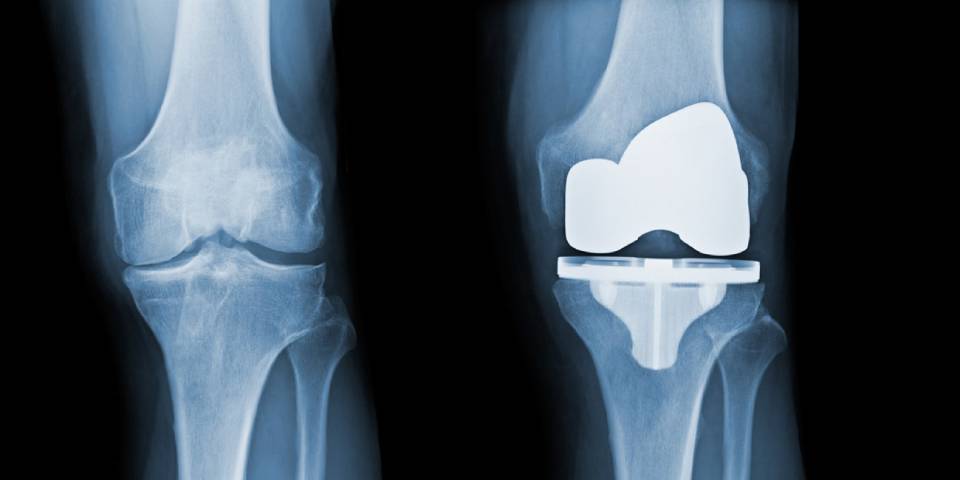
For many people across India, joint replacement isn’t just another procedure — it’s a turning point. It often marks the shift from daily pain and limited movement to renewed independence and confidence.
Whether you’ve already had surgery or are still considering it, two questions almost always come up:
-
How long will my new joint last?
-
What will everyday life feel like once I recover?
Thanks to major advances in orthopaedics — including robotic-assisted surgery and improved implant materials — long-term outcomes today are stronger than ever. Data from the American Academy of Orthopaedic Surgeons and findings published in The Lancet show that over 85–90% of knee and hip replacements remain functional for 20–25 years or more.
Let’s explore what that really means for you — from durability to daily habits that help protect your results.
How Long Does a Knee or Hip Replacement Last?
Modern implants are engineered for durability, smoother motion, and reduced wear. Compared to older generations, today’s materials perform significantly better over time.
Evidence-Based Longevity
Knee Replacement
Long-term studies show that 82–90% of knee replacements are still functioning well after 25 years, particularly in patients who follow medical guidance and maintain healthy habits.
Hip Replacement
About 75% of hip replacements last beyond 25 years, with many continuing even longer.
Indian Patient Outcomes
Encouragingly, outcomes among Indian patients closely mirror global data — especially when physiotherapy, weight management, and regular follow-ups are prioritised.
It’s important to understand that implant longevity isn’t determined by surgery alone. Your daily choices — activity level, nutrition, weight, and follow-up care — all influence long-term performance.
What Affects Implant Longevity?
While success rates are high, several practical factors influence how long your joint replacement will last.
1. Activity Level and Body Weight
Every step you take places pressure on your knees — often three to four times your body weight. Excess weight increases stress on the implant and can accelerate wear.
Protective habits include:
-
Maintaining a healthy body weight
-
Choosing low-impact exercises
Recommended Activities:
-
Walking
-
Cycling
-
Swimming
-
Light strength training
-
Yoga (avoiding deep squats)
Activities That May Shorten Implant Life:
-
Running
-
Jumping
-
High-impact sports like football, squash, or basketball
-
Intense aerobic workouts
Cultural Considerations in India
Patients often ask about:
-
Sitting cross-legged
-
Floor seating during meals or prayer
-
Using Indian-style toilets
Most orthopaedic specialists advise limiting deep knee bending, especially in the first year after surgery, as repetitive strain may affect implant stability.
The Role of Surgical Technique and Implant Quality
The success of a joint replacement also depends heavily on precision and implant design.
Robotic and Navigation-Assisted Surgery
Robotic systems can improve alignment accuracy — sometimes up to 94% — reducing uneven wear and improving long-term stability.
Advanced Implant Materials
Modern combinations include:
-
Ceramic-on-ceramic
-
Ceramic-on-highly cross-linked polyethylene (HXLPE)
-
Cobalt-chrome with advanced surface coatings
These materials reduce friction and lower the risk of early loosening.
Surgeon Expertise
Experienced surgeons contribute to:
-
Natural walking patterns
-
Lower complication rates
-
Faster rehabilitation
-
Stable long-term alignment
Precision during surgery directly affects how long your implant performs well.
Life After Surgery: Habits That Protect Your New Joint
Surgery lays the foundation — but your lifestyle determines long-term success.
Rehabilitation: A Non-Negotiable Step
Studies show that patients who follow structured physiotherapy programmes achieve 30–40% better functional outcomes.
Early Phase (0–3 Months)
Focus:
-
Quadriceps strengthening
-
Heel slides
-
Assisted walking
-
Ankle pumps
Goal: Restore movement, reduce stiffness, and prevent clot formation.
Intermediate Phase (3–6 Months)
Focus:
-
Stationary cycling
-
Core strengthening
-
Light resistance exercises
-
Balance training
Goal: Improve stability and rebuild confidence.
Long-Term (Beyond 6 Months)
Focus:
-
30 minutes of daily walking
-
Swimming
-
Modified yoga
-
Pilates for core and hip strength
Goal: Maintain mobility and support implant longevity.
Nutrition and Bone Health Matter
Your implant relies on strong surrounding bones and muscles.
Calcium (1,000–1,200 mg daily)
Sources:
-
Milk
-
Paneer
-
Ragi
-
Almonds
-
Leafy greens
Vitamin D
Supports calcium absorption.
Sources:
-
Early morning sunlight
-
Fortified foods
-
Supplements (if advised)
Protein (1–1.2 g per kg body weight)
Supports muscle repair.
Sources:
-
Lentils
-
Eggs
-
Chicken
-
Tofu
-
Greek yoghurt
Anti-Inflammatory Foods
Turmeric, walnuts, berries, and olive oil may help reduce inflammation and stiffness.
When to See Your Orthopaedic Doctor
Even if you feel fine, routine check-ups are essential.
Recommended Follow-Up Schedule:
-
6 weeks
-
3 months
-
6 months
-
1 year
-
Every 2–3 years after that
Warning Signs That Need Immediate Attention:
-
Sudden increase in pain
-
Swelling, redness, or warmth
-
Clicking or grinding sensations
-
Difficulty bearing weight
-
Fever with joint discomfort
Early intervention can prevent serious complications.
Final Thoughts
Joint replacement offers more than pain relief — it offers renewed mobility, independence, and quality of life.
With today’s technology, implants are designed to last decades. But their longevity depends on consistent rehabilitation, healthy habits, and ongoing medical guidance.
If you treat your new joint with care, it can serve you reliably for many years to come.
Frequently Asked Questions
1. How long does a knee replacement last?
Most knee replacements last 15–20 years, and many continue functioning well beyond 25 years with proper care.
2. What shortens implant life?
Excess weight, high-impact activity, infection, poor alignment, muscle weakness, and skipping follow-ups can reduce longevity.
3. How can I extend the life of my implant?
Stick to low-impact exercises, maintain a healthy weight, follow physiotherapy guidelines, eat a balanced diet, and attend regular orthopaedic check-ups.
If you’d like, I can also create a more patient-friendly version, a hospital website version, or a shorter SEO-optimised article tailored for Indian readers.