


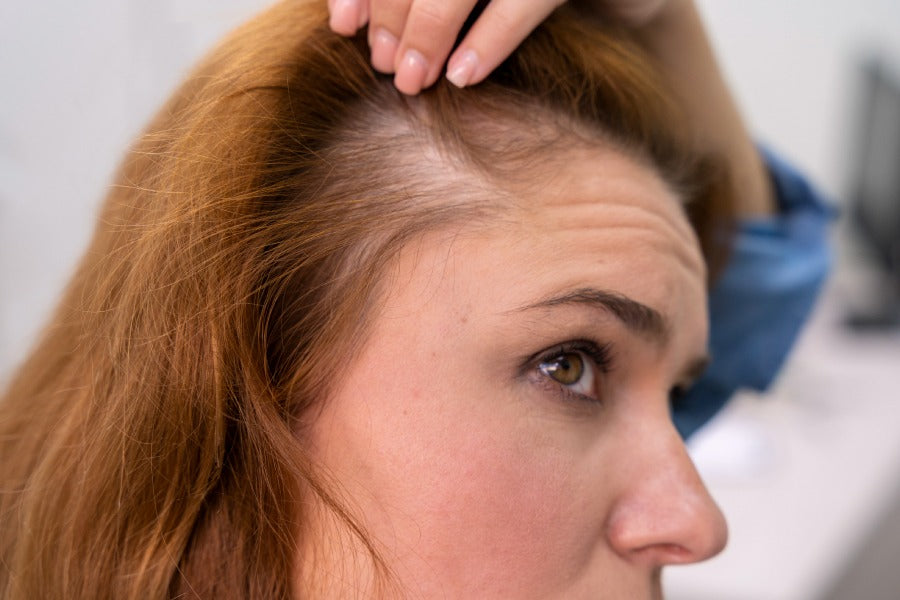
Hair thinning is something many people experience—but few fully understand. It doesn’t happen overnight, and it’s not always as dramatic as hair loss. Instead, it’s a slow decrease in hair density and thickness that can affect both men and women over time.
If you’ve noticed your hair feeling lighter or your scalp becoming more visible, you’re not alone. The key is recognizing the signs early and taking the right steps to support healthier, fuller-looking hair.
What Does Hair Thinning Really Mean?
Hair thinning refers to a gradual reduction in the volume and strength of your hair strands. Unlike sudden hair loss, it develops slowly—often going unnoticed until visible changes appear.
You might first spot it when your ponytail feels thinner, your parting looks wider, or your scalp shows more under bright light. It’s important to understand that thinning doesn’t always lead to baldness—it simply means your hair is becoming less dense.
Early Signs You Shouldn’t Ignore
Catching hair thinning early can make a big difference. Watch out for these common warning signs:
-
Wider Parting: Your hairline or middle part starts to look broader
-
Increased Shedding: More strands on your pillow, comb, or shower drain
-
Thinner Ponytail: Less volume when tying your hair
-
Visible Scalp: Easier to see your scalp, especially near the crown
-
Slower Growth: Hair appears weaker, thinner, or takes longer to grow
What Causes Hair Thinning?
Hair thinning is usually the result of multiple factors working together rather than a single cause.
1. Genetics
Hereditary hair thinning is one of the most common reasons. It can affect both men and women, gradually shrinking hair follicles over time.
2. Hormonal Changes
Hormonal imbalances due to pregnancy, menopause, thyroid issues, or conditions like PCOS can disrupt the hair growth cycle.
3. Stress
Physical or emotional stress can trigger a condition where hair enters a resting phase, leading to increased shedding weeks or even months later.
4. Styling Damage
Frequent heat styling, chemical treatments, or tight hairstyles can weaken hair strands, making them prone to breakage and thinning in appearance.
5. Medical Factors
Certain illnesses, medications, or scalp conditions may also contribute. If thinning seems sudden or severe, medical advice is essential.
Effective Ways to Manage Hair Thinning
There’s no instant cure, but consistent care can significantly improve your hair’s strength and appearance.
Focus on Nutrition
A balanced diet rich in protein, iron, healthy fats, and vitamins supports healthy hair growth from within.
Reduce Stress Levels
Practices like exercise, meditation, and proper sleep can help regulate your hair cycle and reduce excessive shedding.
Take Care of Your Scalp
A clean, healthy scalp is essential. Gentle massages, proper cleansing, and targeted treatments can improve circulation and remove buildup.
Consult a Professional
If thinning continues, a dermatologist or hair expert can identify the root cause and suggest personalized treatments.
When Should You See a Specialist?
While mild thinning can be managed at home, certain signs need expert attention:
-
Sudden or heavy hair shedding
-
Scalp irritation, itching, or pain
-
Hair loss after illness or medication
-
Noticeable thinning at a young age
Early intervention can prevent further damage and improve outcomes.
Products That Can Help
Using the right products can strengthen your hair and reduce breakage:
-
Bond-building treatments help repair damaged hair structure
-
Thickening additives improve the look and feel of hair during styling
-
Restorative masks provide deep nourishment and improve elasticity
These don’t “cure” thinning but can make hair look healthier, stronger, and fuller.
Final Takeaway
Hair thinning can feel frustrating, but it’s often manageable with the right approach. Instead of chasing quick fixes, focus on long-term care—nourish your body, protect your hair, and maintain a healthy scalp.
With patience, consistency, and the right guidance, you can improve your hair’s condition and regain confidence—one step at a time.
Quick FAQs
Is hair thinning the same as hair loss?
No. Thinning is a gradual decrease in density, while hair loss can involve noticeable shedding or bald patches.
Can thinning hair recover?
It depends on the cause. Many cases improve with proper care and lifestyle changes.
What’s the first sign to watch for?
A widening part, reduced volume, or increased shedding are often the earliest indicators.
Do products really help?
They can improve strength and appearance, especially when combined with proper haircare and nutrition.