

Chocolate is one of the world’s most loved treats, but its journey begins far away from the chocolate bars, cakes, and desserts we know today. The essential ingredient behind chocolate is the cocoa bean, which grows inside the fruit of the cacao tree. These trees require specific environmental conditions, which is why cocoa production is concentrated in particular regions around the world.
Understanding where cocoa beans grow can make the story behind chocolate even more fascinating. From tropical plantations to the careful harvesting of cacao pods, every chocolate product begins with this remarkable agricultural process.
Where Do Cocoa Beans Grow?
Cocoa beans primarily grow in tropical regions close to the Equator. The cacao tree thrives in warm, humid climates with plenty of rainfall and protection from strong sunlight.
Most major cocoa-producing countries are located within a region commonly known as the cocoa belt. This area generally stretches between approximately 20 degrees north and 20 degrees south of the Equator.
Countries in West Africa, Central and South America, and parts of Asia have suitable conditions for growing cacao. Among these regions, West Africa has become particularly important to global cocoa production.
West Africa: The World’s Cocoa Heartland

Cocoa farming is an important source of income for many farming communities in these countries. The harvested beans eventually travel through processing and manufacturing stages before becoming cocoa powder, cocoa butter, and chocolate products.
Other African countries, including Nigeria and Cameroon, also contribute significantly to cocoa production.
Cocoa in Central and South America

Today, countries such as Ecuador, Brazil, Peru, and Colombia produce cocoa. Ecuador, in particular, is well known for varieties of cacao that are valued for their distinctive flavors and aromas.
The flavor of cocoa can vary depending on the variety of cacao, soil, climate, farming practices, and processing methods. This is one reason chocolates made from beans grown in different regions can taste noticeably different.
Cocoa Production in Asia

The tropical climate found across many parts of Southeast Asia provides suitable conditions for cacao trees. Farmers in these regions grow cacao for both domestic processing and international markets.
What Conditions Does a Cacao Tree Need?
Cacao trees are naturally adapted to tropical environments. They generally prefer warm temperatures, high humidity, regular rainfall, and fertile, well-drained soil.
Young cacao trees can be particularly sensitive to harsh sunlight and extreme weather. In traditional farming systems, cacao is often grown beneath taller trees that provide shade.
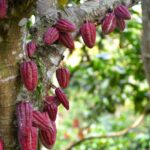
Interestingly, cacao pods grow directly from the trunk and larger branches of the tree. This unusual characteristic is known as cauliflory.
From Cacao Pod to Cocoa Bean

Cacao pods are picked when they are mature and then opened to remove the beans and surrounding pulp. The beans typically undergo fermentation, an essential stage that helps develop the flavor compounds associated with chocolate.
After fermentation, the beans are dried, often under the sun. They are then transported to processing facilities, where they may be roasted, cracked, and separated into cocoa solids and cocoa butter.
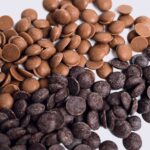
These ingredients can eventually be transformed into different types of chocolate, including dark, milk, and white chocolate.
Why Does the Growing Region Matter?
The location where cacao is grown can influence the characteristics of the resulting cocoa. Soil composition, rainfall, temperature, altitude, cacao variety, fermentation practices, and agricultural methods can all contribute to flavor.
For example, cocoa from Ecuador can have different aromatic qualities from cocoa grown in Ghana or Indonesia. Chocolate makers sometimes highlight the origin of their cocoa because consumers interested in fine chocolate enjoy exploring these regional differences.
Is Cocoa Grown Everywhere?
No. Although chocolate is consumed around the world, cacao trees cannot grow successfully everywhere.
They require tropical conditions that are difficult to reproduce naturally in colder or very dry regions. This geographic limitation is why cocoa production remains concentrated in countries near the Equator.
At the same time, cocoa farming can face challenges from changing weather patterns, plant diseases, pests, and fluctuations in global cocoa prices. Sustainable farming practices and support for cocoa-growing communities therefore play an important role in the future of chocolate.
The Journey Behind Every Chocolate Bar
The next time you unwrap a chocolate bar, it’s worth remembering how much goes into it. The journey starts with a cacao tree growing in a warm tropical environment, often thousands of kilometres away from the shop where the finished chocolate is purchased.
From carefully harvested cacao pods to fermented and dried beans, roasting, grinding, and finally chocolate making, cocoa passes through many stages before becoming the familiar treat we enjoy.
So, where do cocoa beans grow? Primarily in tropical regions around the Equator, especially across West Africa, Central and South America, and parts of Asia. Knowing this simple fact reveals just how closely chocolate is connected to the farmers, climates, landscapes, and communities that make its production possible.