

Key Features and Functionality
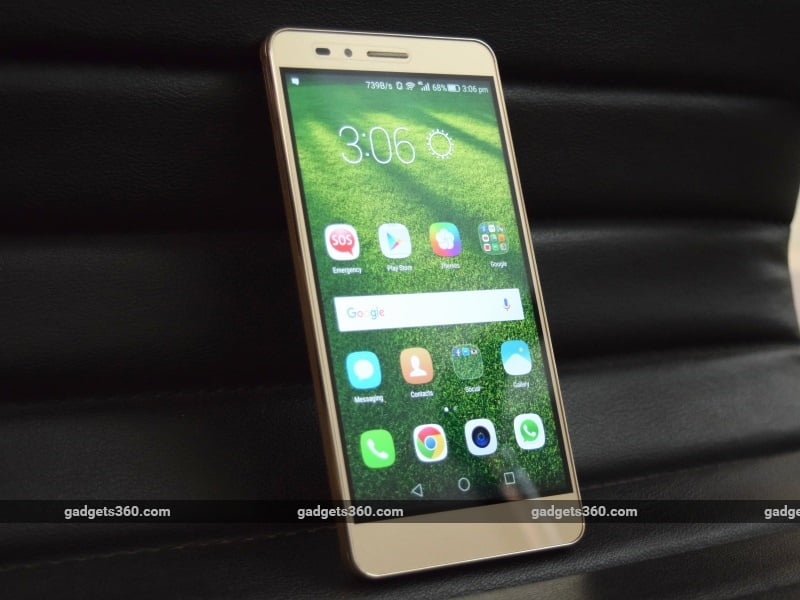
- Operating Systems: Most smartphones run on Android (developed by Google) or iOS (developed by Apple).
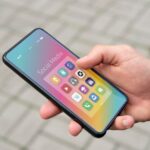
- Applications: Users can download third-party software (“apps”) from centralized platforms like the Google Play Store or the Apple App Store to perform tasks ranging from social media to mobile banking.
- Multimedia and Sensors: Modern devices include high-resolution cameras, GPS for navigation, and various sensors like accelerometers and gyroscopes.
- Connectivity: Support for wireless protocols such as 5G, Wi-Fi, and Bluetooth allows for constant connectivity and interaction with other devices.
Evolution and History
- 1994: IBM introduced the
Simon Personal Communicator
, widely considered the first smartphone.
- 2007: The launch of the
Apple iPhone
revolutionized the market by emphasizing a “slate” design with a large touchscreen and easy internet browsing.
- 2008: Google unveiled the Android OS, which quickly became the most popular mobile operating system due to its availability on various hardware from manufacturers like Samsung and Motorola.
Societal Impact
Smartphones have significantly altered human behavior, shifting communication from landlines and physical letters to instant messaging and social media. While they offer immense benefits in accessibility and convenience, excessive use has been linked to negative outcomes such as reduced attention spans, sleep disturbances, and “nomophobia” (fear of being without a mobile phone)